Most websites fail because of structure, not design — I fix that
I improve WordPress, WooCommerce and Shopify websites so they load faster, convert better and are easier for Google and AI search engines to understand and rank.
In most projects I work on, the issue is not the platform. It is unclear structure, slow performance and content that does not answer what users are actually searching for. I fix those problems directly.
A website that looks fine but does not perform
I recently worked on a WooCommerce project where traffic was decent, but conversions were low. The issue was not design — it was structure, unclear pricing logic and slow loading pages.
- Unclear product structure and pricing
- Too many plugins affecting speed
- Weak conversion flow
- No SEO or AI-ready content structure
After restructuring the pages and simplifying the setup, the site became faster, easier to use and significantly clearer for both users and search engines.
I fix the structure, speed and content problems that block growth
Most underperforming websites do not need more pages, more plugins or more redesign ideas. They need a clearer structure and fewer weak points.
I work on the parts that affect performance directly: how the website is built, how users move through it, how fast it loads and how clearly each page answers real search intent.
I build websites around real business logic
I create WordPress, WooCommerce and Shopify websites that are easier to manage, easier to understand and built around the way the business actually works.
- Clear service and page structure
- Conversion-focused layouts
- Scalable WordPress and eCommerce foundations
I improve websites that look fine but underperform
I often see sites that look acceptable on the surface but lose enquiries because pages are slow, unclear or poorly connected. I identify and fix those weak points.
- Speed and Core Web Vitals improvements
- UX and conversion path fixes
- Technical clean-up and simplification
I connect websites with smarter systems
When a website needs to do more than present information, I build AI lead capture, automation and custom workflows that reduce manual work.
- AI lead generation and qualification
- Automation workflows
- Custom integrations and internal systems
Most websites fail for the same reasons — I fix those first
I regularly work on websites that already have traffic or decent design, but still struggle to generate enquiries or sales.
The issue is rarely one big mistake. It is usually a combination of small structural problems that make the website harder to use and harder to understand.
Typical issues in WordPress and WooCommerce sites
- Pages built without clear purpose or structure
- Too many plugins affecting speed and stability
- Design that looks fine but does not guide users
- Content that does not answer real search intent
- Disconnected SEO, UX and conversion strategy
In most projects, at least three of these problems are happening at the same time.
How I fix the structure and improve performance
- I rebuild pages around clear user intent
- I simplify the setup and remove unnecessary complexity
- I improve navigation and conversion flow
- I rewrite content so it is clear and citable
- I connect SEO, UX and technical structure properly
The goal is not to add more features. It is to make the existing website work properly.
Clear structure makes everything easier to understand
When I restructure a website, the biggest change is not visual. It is how clearly users can move through pages and how easily search engines understand the content.
This usually leads to better engagement, clearer navigation and stronger performance without adding more complexity.

I start with the problem before touching the design
I do not redesign blindly. I first look at what is blocking the website: unclear structure, slow performance, weak content, poor UX or technical complexity.
This keeps the project focused on the changes that can actually improve visibility, trust and conversion.
I identify what is really holding the website back
I review the website structure, page speed, UX, content, technical setup and conversion flow. In many projects, the visible design is not the main problem — the structure underneath is.
I decide what needs fixing and what can stay
I avoid unnecessary rebuilds. If the existing site has useful foundations, I keep them and improve the weak areas. If the structure is too limited, I explain why a rebuild makes more sense.
I rebuild the key sections around clarity and intent
I improve the pages, layouts, content blocks, internal links and technical setup so the site becomes easier for users, Google and AI search engines to understand.
I refine the website after the main work is done
A strong website is not finished in one pass. I refine based on real usage, performance data and business priorities, so the site keeps improving instead of becoming harder to manage.
My process is built to avoid wasted work
Before I build, I make sure the direction is clear. That is how I keep projects focused, practical and easier to scale later.
I apply the same approach across different types of projects
The platforms change, but the problems are usually similar: unclear structure, slow performance and systems that do not match how the business actually works.
These projects show how I apply the same thinking to different types of websites and systems.
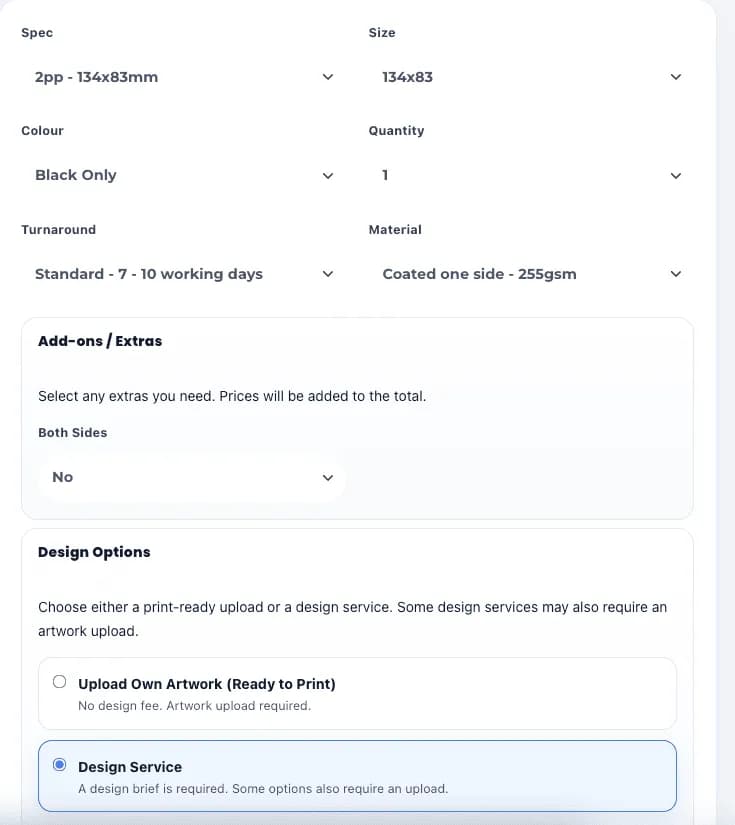
I built a pricing system for complex print products
I worked on a WooCommerce project where pricing depended on multiple variables like size, quantity and turnaround. Standard product setups were not enough.
- I created a structured pricing matrix system
- I made pricing clearer across product and cart
- I reduced confusion during checkout
I structured an automated real estate website
I worked on a WordPress project with automated property imports, but the structure was difficult to manage and not optimised for search.
- I improved taxonomy and data structure
- I simplified listing organisation
- I made the system scalable across domains
I improved a slow WooCommerce website structure
I worked on a WooCommerce site where performance issues and plugin conflicts were affecting both speed and usability.
- I reduced unnecessary plugins
- I improved load times and stability
- I restructured key pages
Before and after: clearer structure, faster pages, better flow
In most projects, improvements come from simplifying the structure and removing unnecessary complexity. This usually leads to faster loading times, clearer navigation and better conversion paths.
Instead of adding more features, I focus on fixing what already exists so the website becomes easier to use and easier to understand.

I work as a specialist, not a traditional agency
I work directly on the strategy, structure, UX and technical decisions behind your website, so the project does not lose context between planning and implementation.
In many projects, the real value is not simply writing code or redesigning pages. It is knowing what should be changed, what should be left alone and what will create the biggest practical improvement for the business.
I work remotely with UK businesses, including London-based companies, and focus on building websites and systems that are easier to understand, easier to manage and easier to improve over time.
I look at the whole website before recommending changes
Before I suggest a redesign, rebuild or optimisation plan, I look at how the website currently works as a system: pages, speed, content, internal links, user journey and technical setup.
- I avoid unnecessary rebuilds when targeted fixes are enough
- I connect design decisions with SEO, GEO and conversion
- I explain what needs fixing in plain English
- I keep the website scalable for future changes
Mihai Dobre is a UK-focused freelance web specialist working remotely on WordPress, WooCommerce, Shopify and AI systems for businesses that need clearer, faster and more practical websites.
I connect development, performance, SEO and automation
I do not treat services as isolated tasks. A slow WooCommerce store, a weak WordPress service page or a poor Shopify conversion flow usually needs connected work.
I help you choose the right route based on what is actually blocking the website from working properly.
I build and improve WordPress websites
I structure WordPress websites around clear services, fast pages and content that can be understood by users, Google and AI search.
I fix and build WooCommerce systems
I work on WooCommerce stores where speed, checkout, product logic or custom functionality affects sales and usability.
I improve Shopify speed and conversion
I build and optimise Shopify stores so product pages, speed and buying flow support better conversion.
I build AI workflows around the website
I build lead capture, automation and AI systems that help the website do more than simply display information.
I start with the bottleneck, not the platform
If the problem is speed, I focus on performance. If the problem is weak enquiries, I look at structure, message and conversion. If the problem is manual work, I look at automation.
This is why the service route is different for each project. I do not sell one fixed package to every business — I identify what needs fixing and build around that.
I structure websites so Google and AI can trust them
I build pages to answer real questions clearly, so they can work for traditional Google rankings and AI search engines like ChatGPT, Gemini and Perplexity.
In 2026, content cannot be written as generic service copy. Each section needs to explain what the business does, show real expertise and make sense as a standalone answer.
I write around real questions
I structure content around what people actually ask before buying, not just around short keywords.
I make every section useful alone
I write each block so it can be understood independently, which helps Google and AI systems extract clearer answers.
I add practical judgement, not filler
I use real project experience, technical reasoning and honest observations instead of generic AI-style copy.
I connect SEO, UX and performance
I build pages where headings, internal links, speed and layout support the same goal: clarity and conversion.
I build trust by explaining decisions clearly
I do not hide behind technical language. When I recommend a change, I explain why it matters, what it affects and whether it is actually worth doing.
This is important because most clients do not just need a developer. They need someone who can judge what should be fixed first.
Mihai helped us understand what was actually holding the website back, not just what looked wrong on the surface.
WordPress project — UKThe value was in the structure and judgement. He explained what needed changing and what was not worth wasting time on.
WooCommerce project — LondonThe project became much easier once the pages, speed issues and conversion flow were looked at together.
eCommerce client — UKI use reviews and case studies to show how the work is applied
Trust is not built by saying “expert” on a page. It is built by showing how real problems were reviewed, structured and improved.
You can read more feedback and project examples to see how I approach WordPress, WooCommerce, Shopify and AI system work in practice.
Questions I usually answer before starting work
I use FAQs to answer real buying questions clearly, not to fill space. Each answer below explains how I actually work with UK businesses.
This also helps Google and AI search engines understand what I do, who I work with and when my services are the right fit.
What do you actually do?
I build, fix and improve WordPress, WooCommerce, Shopify and AI systems for UK businesses. I focus on structure, speed, UX, SEO, GEO and conversion.
Can you improve an existing website?
Yes. Most of my work starts with an existing website that looks acceptable but is slow, unclear, hard to manage or not converting properly.
Do you work with UK businesses remotely?
Yes. I work remotely with businesses across the UK, including London-based companies. The process is structured so work moves forward without constant meetings.
Do you only work with WooCommerce?
No. WooCommerce is one of my main areas, but I also work with WordPress, Shopify, AI lead capture, automation and custom systems.
Can you help with SEO and AI visibility?
Yes. I structure pages so they answer real questions, make sense as standalone sections and are easier for Google and AI search engines to understand.
How do you decide what needs fixing first?
I start by reviewing the bottleneck: structure, speed, UX, content, technical setup or conversion flow. Then I prioritise the changes that can create the biggest practical improvement.
Do you build AI systems as part of websites?
Yes. I build AI lead capture systems, automation workflows and custom AI tools when they support the business behind the website.
How does a project usually start?
A project usually starts with a clear review of the current website or idea. I identify what is not working, explain the options and define the next step before development begins.
I can help you find what is blocking your website
If your website looks fine but does not generate enough enquiries, sales or visibility, I can review what is actually holding it back and explain the best next step.
I usually start by looking at structure, speed, UX, content and conversion flow before recommending any redesign or development work.
What I will look at first
- Whether the page structure is clear
- Where users may be dropping off
- Whether speed or plugins are causing issues
- How well the content answers real search intent