
AI automation for ecommerce in the UK to reduce manual work and improve how your store operates.
Many ecommerce businesses spend too much time on repetitive tasks, manual workflows and disconnected systems. AI automation makes it possible to reduce this friction and create a more structured way for the business to operate.
I build automation systems for WooCommerce and WordPress stores, helping businesses automate processes, improve workflows and connect systems in a more reliable way.
Reduce manual work across orders, support and internal processes.
Structure how tasks are handled inside the store and across tools.
Connect WooCommerce with other systems in a more controlled way.
Most ecommerce businesses do not have a traffic problem. They have a workflow problem.
As a store grows, operations become more complex. Orders increase, customer enquiries multiply and internal processes become harder to manage. Without proper structure, this creates friction across the entire business.
The issue is not the lack of tools. It is how everything works together.
Many ecommerce stores rely on multiple plugins, apps and disconnected systems. Each one solves a small part of the problem, but together they create a setup that is harder to manage, slower to operate and more prone to errors.
This is where AI automation becomes valuable. Instead of adding more tools, the focus is on structuring workflows, connecting systems and reducing unnecessary manual work.
In more advanced setups, this connects with broader AI systems and even custom plugin development, where automation becomes part of a more controlled and scalable system.
Manual processes everywhere
Orders, emails, stock updates or internal tasks that still require manual handling.
Disconnected systems
Tools that do not communicate properly, forcing the business to move data manually.
Lack of structure
No clear workflow for handling orders, enquiries or internal processes efficiently.
AI automation in ecommerce is not about replacing people. It is about structuring how work is handled.
In practice, AI automation means reducing repetitive tasks, improving workflows and creating a more efficient system behind the store. The goal is not to add complexity, but to simplify how the business operates.
Automation is about making the system work better, not just faster.
Many businesses focus on saving time, but the real benefit comes from improving structure. When workflows are clearer and more connected, the entire operation becomes easier to manage and more reliable.
This is why automation often works together with custom plugins and broader AI systems, where the goal is to build a more controlled and scalable setup.
In ecommerce, this usually connects directly with WooCommerce development, where automation needs to be integrated properly into the store.
Order processing automation
Reduce manual steps in how orders are handled, processed and tracked.
Customer support workflows
Structure how enquiries are handled to improve response time and consistency.
Data and system connections
Ensure information flows correctly between tools, platforms and internal systems.
Internal process optimisation
Improve how tasks are handled inside the business, not just on the website.
You usually need AI automation when growth starts creating more work, more friction and less control.
This is not only for large ecommerce businesses. It becomes relevant whenever the store depends too heavily on manual handling, disconnected tools or repeated tasks that should already be systemised.
Too much manual order handling
Orders, updates, notifications or backend processes still depend on people doing repetitive work every day.
Repeated customer support tasks
The team keeps answering the same questions, repeating the same actions or manually routing the same type of enquiry.
Data has to be moved manually
Information is copied between the store, email, spreadsheets, CRMs or other tools because the systems do not flow together properly.
Store growth is creating operational friction
What worked when the store was smaller has become harder to manage as orders, products or customer activity increase.
Too many disconnected tools
The store depends on multiple apps and plugins that do not work together cleanly, creating complexity instead of efficiency.
No clear workflow behind the store
The frontend may work, but behind the scenes the business has no reliable system for handling operations in a structured way.
Real ecommerce workflows improved through automation and structured systems.
These are practical examples of how automation and system thinking improve operations inside WooCommerce and WordPress setups.
 AUTOMATION
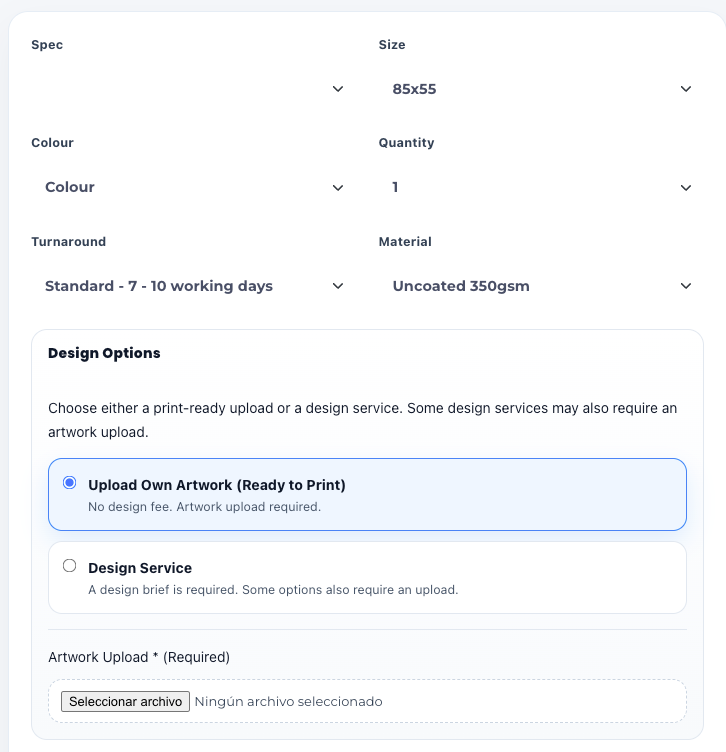
Automation of pricing logic and order workflows in WooCommerce
A store with complex pricing and product configuration required a system to automate calculations and reduce manual handling. The result was a more structured and efficient workflow.
View case study WORKFLOW SYSTEM
Automation system for handling data and internal workflows
A multi-site setup required better data handling and structured workflows. Automation reduced manual work and improved consistency across the platform.
View case studyAI automation projects are built around how your business actually works, not around predefined tools.
The goal is not to automate everything. The goal is to automate the right parts, structure workflows properly and improve how the system behaves over time.
Analyse current workflows
Identify where time is lost, where processes break and what should be automated.
Define the system logic
Decide how workflows should operate and how systems should connect together.
Build and integrate
Implement automation using the right mix of tools, custom logic or platform development.
Refine and optimise
Improve the system based on real usage to ensure long-term efficiency and reliability.
Common questions about AI automation for ecommerce in the UK.
These are some of the questions businesses usually have when considering automation and workflow improvements.
What is AI automation in ecommerce?
It means automating workflows, reducing manual tasks and improving how systems handle processes inside the store and across the business.
Do I need a large store to use automation?
No. Automation becomes relevant whenever manual work, repeated tasks or inefficient workflows start affecting the business.
Can automation work with my existing WooCommerce store?
Yes. Most automation systems are built on top of existing WooCommerce setups and integrated into current workflows.
Does automation replace people?
No. The goal is to reduce repetitive tasks and allow the team to focus on higher-value work, not to replace human roles.
How does this connect with AI systems?
Automation is often part of broader AI systems, where workflows, data and processes are structured more efficiently.
What is the best way to get started?
The best starting point is to describe your current workflow and identify where time is being lost or processes are breaking.
If your ecommerce workflows are still manual, disconnected or difficult to manage, the next step is to structure them properly.
Automation is not about adding tools. It is about building a system that handles tasks in a more efficient and reliable way.
This may involve automation, custom development or broader WooCommerce improvements, depending on how your store operates.
Start with clarity
Identify where workflows break or slow down.
Build the right system
Design automation around how your business actually works.
Integrate properly
Connect WooCommerce with tools and processes in a structured way.
Scale with less friction
Reduce manual work and improve long-term efficiency.