Case Studies — Real Systems, Real Problems

Real case studies showing how custom systems, automation and technical development solve real business problems.

These case studies are here to show what this work looks like in practice. Not theory, not generic service descriptions, but real examples of systems built to reduce manual work, improve workflows and make WooCommerce and WordPress businesses easier to run.

Some projects focus on AI systems and automation. Others involve WooCommerce development, WordPress development or technical improvements built around a specific operational problem. The common point is always the same: solve the right problem with the right system.

Systems built for real use
Automation with practical impact
Technical problem-solving
What these show

Real examples of operational problems solved through structured systems, automation, custom development and technical implementation.

Main focus

The emphasis is on workflow, logic and measurable improvement, not surface-level design changes or generic feature lists.

Related areas

Closely connected with AI systems, WooCommerce and WordPress work where technical structure matters.

What they show

These are not showcase projects. They are real systems built to fix real operational problems.

Each case study starts from a problem: manual work, broken workflows, technical limitations or systems that do not scale properly. The focus is always on fixing that, not on adding features or improving how things look.


These projects are closely connected with AI systems, automation and custom plugin development, where technical implementation improves real business operations.

Systems thinking

Most problems are not isolated. They are part of a bigger system.

The strongest results come from understanding how everything connects. That can involve AI systems, workflow logic, data flow or technical structure across the business.

Applied development

Custom solutions built around how the business actually works.

These projects show how WooCommerce and WordPress can be adapted beyond standard setups when the business needs something more structured and reliable.

Real proof

What changed after the system was implemented.

Less manual work, clearer workflows and more stable operations. These case studies are here to show what actually improves when the right system is in place.

Featured case studies

Three real systems built to solve three different types of operational problems.

Each case starts with a problem, not a feature request. The work focuses on building the right system to fix it, whether that involves automation, custom development or technical restructuring.

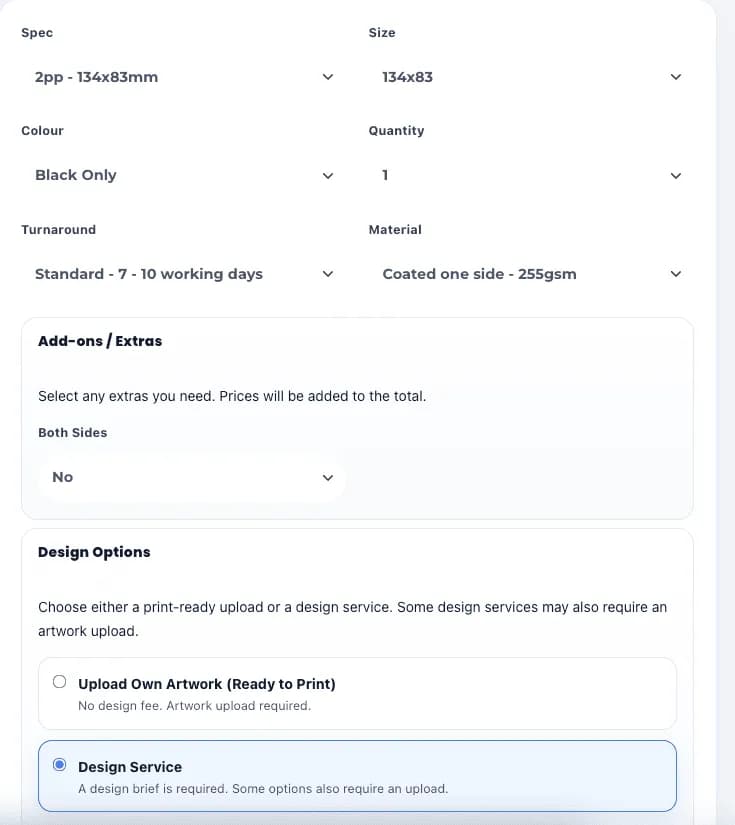
Custom WooCommerce pricing system for print ecommerce SYSTEM BUILD
WooCommerce Custom Logic Automation

Custom pricing system for a WooCommerce store with complex product logic

The store relied on manual pricing logic that was slow, inconsistent and difficult to scale.

A custom system was built to handle dynamic pricing rules, automate calculations and simplify the ordering process.

Result: less manual work, faster configuration and a system that scales without adding complexity.

View case study
WordPress real estate automation system AUTOMATION
WordPress Automation Data Flow

Automation system for a multi-site real estate platform

Property data was handled manually across multiple sites, creating inconsistencies and unnecessary workload.

A structured system was implemented to automate imports, organise data and standardise workflows.

Result: consistent data, reduced manual handling and a more reliable multi-site setup.

View case study
WooCommerce Performance Structure

Performance and structure improvement for a WooCommerce store with technical debt

The store had performance issues, structural complexity and a setup that had become difficult to maintain.

The project focused on simplifying the technical structure, improving speed and creating a more stable foundation.

Result: better performance, improved stability and a setup that is easier to manage long-term.

View case study
Types of problems

Most projects start with one of these problems, even if they look different on the surface.

Different businesses, different setups, but similar issues underneath. These are the most common types of problems behind the case studies shown above.

01

Product logic that no longer fits the business

Pricing rules, product configuration or workflows become too complex for standard WooCommerce setups. This usually requires a custom system, as seen in the print pricing case study.

02

Data that needs to move but does not flow properly

External feeds, imports or multi-site setups that rely on manual handling or inconsistent processes. These require structured automation, like in the real estate system.

03

A store that has become slow or hard to maintain

Over time, plugins, workarounds and technical decisions create a system that is difficult to manage. These cases require restructuring, as shown in the performance case study.

04

Everything works, but nothing is properly structured

No single issue, but too much manual work, unclear processes and systems that depend on people instead of structure. This is where system-level thinking makes the biggest difference.

How the work is approached

The focus is always on fixing the system behind the problem, not just the visible issue.

Most technical issues are symptoms. The real problem is usually deeper, in how the system is structured, how data flows or how different parts interact.

01
Understand how the system actually works

Analyse how everything connects across WooCommerce, WordPress or custom setups before making changes.

02
Find what is really causing the issue

The visible problem is rarely the real one. The focus is on identifying what is creating friction behind the scenes.

03
Remove unnecessary complexity

Most systems become harder to manage over time. Simplifying structure often has more impact than adding new tools.

04
Build a system that actually works in practice

The final solution is built around the real business use case, whether that involves AI systems, automation or custom development.

This approach avoids temporary fixes. The goal is to improve how the system behaves over time, not just solve a single issue.

In many projects, the biggest improvement comes from clarity. Once the system is structured properly, performance, usability and reliability improve naturally.

Why this matters

When the system is not working properly, the business feels it every day.

What looks like a technical issue is usually an operational one. Slow workflows, manual work, inconsistent data or unstable setups affect time, efficiency and how the business scales.

Operational impact

Less time lost in day-to-day operations

A better system reduces repetitive work, avoids constant fixes and makes the platform easier to run on a daily basis.

Development impact

Changes can be made without breaking the system

A cleaner structure makes it easier to improve features, introduce new ideas and evolve the platform without creating instability.

Long-term value

The business can scale without increasing complexity

Systems built around AI systems, automation and structured development create a stronger foundation for growth.

01

More predictable systems

Fewer unexpected issues, fewer workarounds and a setup that behaves consistently over time.

02

Less technical friction as you grow

A structured system allows the business to grow without accumulating the same level of technical debt.

FAQs

Common questions about these case studies, the type of work involved and how similar projects are approached.

These questions help explain what these projects represent, how they connect to the wider service structure and what they show about the kind of technical work delivered across WooCommerce, WordPress and system-based projects.

Are these real technical projects or simplified examples?

These are real case studies based on actual technical work. They are included to show how problems were approached through AI systems, automation, custom development and platform-specific implementation.

Do all projects involve AI systems?

Not all of them in the same way. Some projects are more focused on AI systems and automation, while others are centred on custom WooCommerce or WordPress development. In many cases, these areas overlap.

Why are the case studies focused on systems rather than just design results?

Because the most important improvements usually happen behind the scenes. Better pricing logic, automation, performance, data structure and technical reliability often have a bigger business impact than visual changes alone.

Can similar work be done on an existing website or store?

Yes. Many projects involve improving an existing WooCommerce or WordPress setup rather than starting from zero. That can include restructuring, performance work, automation or custom features.

What kinds of problems usually lead to a project like these?

Common triggers include complex pricing logic, unreliable workflows, plugin conflicts, performance issues, repetitive manual tasks, inconsistent data handling or a platform that has become harder to manage over time.

Where should I go next if I think my project needs something similar?

The best next step is usually to explore the relevant services, review the main AI systems page or get in touch with a short description of what is happening in the current setup.

Next step

If your website or store is being held back by technical complexity, the right project usually starts by understanding the system properly.

These case studies show different types of technical work, but they all begin in the same place: identifying the real constraint, understanding how the system behaves and building a solution that improves the structure behind it.

Explore systems

See how the wider system-focused approach works.

If your project involves workflow issues, automation, structured logic or technical friction, the best place to continue is the main AI systems page.

View services

Explore the broader technical service structure.

If you want to understand how this work connects with platform-specific services, you can review the full services page and move into the most relevant area.

Start directly

Begin with a short explanation of the real problem.

If something in the current setup is slow, unstable, difficult to manage or too manual, the next step is simply to get in touch and explain what is happening.