
Web designer salary in London: what businesses should understand before hiring.
Searching for web designer salary data in London often starts with a simple question about cost. In reality, salary figures only tell part of the story. What matters more is what level of experience the business needs, what kind of results are expected and whether hiring, outsourcing or working with a specialist makes more sense.
For businesses investing in a website, ecommerce store or structured digital system, the real decision is rarely about salary alone. It is about choosing the right level of skill, technical direction and long-term value — whether that means web design, WooCommerce development or more structured AI systems and automation work.
Headline salary figures do not explain whether the person can solve the real business problem.
Businesses often need to compare in-house salary, freelance specialist work and agency retainers more realistically.
The right decision depends on skills, scope, technical depth and how much revenue or efficiency the work can influence.
Salary figures don’t explain what a web designer can actually deliver for your business.
Looking at average web designer salaries in London can be useful, but it often leads to the wrong conclusions. Businesses compare numbers without understanding what level of work, responsibility or impact those roles actually represent.
The gap between salary and real business value is where most decisions go wrong.
A junior designer, a mid-level developer and a senior specialist can all fall under “web design” in job listings, but the difference in what they can deliver is significant. Salary ranges reflect this, but they rarely explain it clearly.
In many cases, businesses hire based on cost expectations rather than on what the project actually requires. This often leads to slow delivery, incomplete systems or the need to redo the work later.
The same applies when comparing hiring internally versus working with a specialist. A salary figure might seem lower on paper, but it does not include the time, structure and technical direction needed to build something properly.
This is especially relevant when the project involves more than design — such as WordPress development, WooCommerce systems or more advanced AI-driven workflows.
Job titles are misleading
“Web designer” can refer to very different skill levels, from visual design only to full system development.
Salary ≠ capability
Salary ranges do not always reflect the ability to solve complex business or technical problems.
Wrong expectations
Hiring based on budget instead of requirements often leads to delays, rework and missed opportunities.
Web designer salaries in London vary widely depending on experience, technical depth and scope of work.
Salary ranges can give a general idea of the market, but they only become useful when you understand what each level typically involves and what kind of work can realistically be delivered.
Junior level
Typically between £22,000 and £35,000 per year in London.
At this level, work is usually focused on basic layout design, content updates and small changes. Technical understanding is limited and most tasks require guidance.
Mid-level
Usually between £35,000 and £55,000 per year.
This level can handle more complete projects, including responsive design, CMS work and some development tasks. However, complex systems and advanced workflows are often still a challenge.
Senior / specialist
Can range from £55,000 to £90,000+ depending on experience and expertise.
At this level, the focus shifts from design alone to solving business problems. This may include system architecture, performance optimisation, WooCommerce development or integration with AI systems.
Freelance and specialist work
Freelance specialists often work on a project basis rather than a fixed salary. While the cost may appear higher in the short term, it usually reflects a higher level of expertise and faster, more focused delivery.
What salary data doesn’t show
Salary figures do not include time spent managing projects, solving unexpected issues or structuring systems properly. These factors often have a bigger impact on the final outcome than the salary itself.
The real decision is not salary. It is whether you need an employee, a freelancer or a specialist system approach.
Each option can work depending on the type of project. The problem is that many businesses default to hiring without considering whether that is actually the best solution.
Hiring in-house
Makes sense when there is continuous work, ongoing design needs and internal processes that require day-to-day involvement.
However, it also involves salary, onboarding time, management and the risk of limited technical scope depending on the hire.
Freelancers
Suitable for smaller projects, isolated tasks or short-term work. They can be flexible, but consistency and long-term structure are not always guaranteed.
In many cases, freelancers focus on execution rather than system-level thinking.
Specialist approach
More suitable for projects that require structure, technical direction and long-term impact. This includes ecommerce builds, workflow improvements and system integration.
This often involves a mix of WordPress, WooCommerce and AI systems depending on the business.
When hiring becomes inefficient
If the project is temporary, highly technical or requires multiple skill sets, hiring a full-time employee may not be the most efficient solution. It can increase cost without improving outcomes.
When a specialist makes more sense
When the goal is to build something properly from the start — whether that is a website, ecommerce store or system — working with a specialist often leads to faster and more structured results.
In practice, most projects go beyond “web design” and require structured technical work.
This is where salary comparisons become less relevant. The focus shifts from who builds the website to how the system is designed, structured and maintained over time.
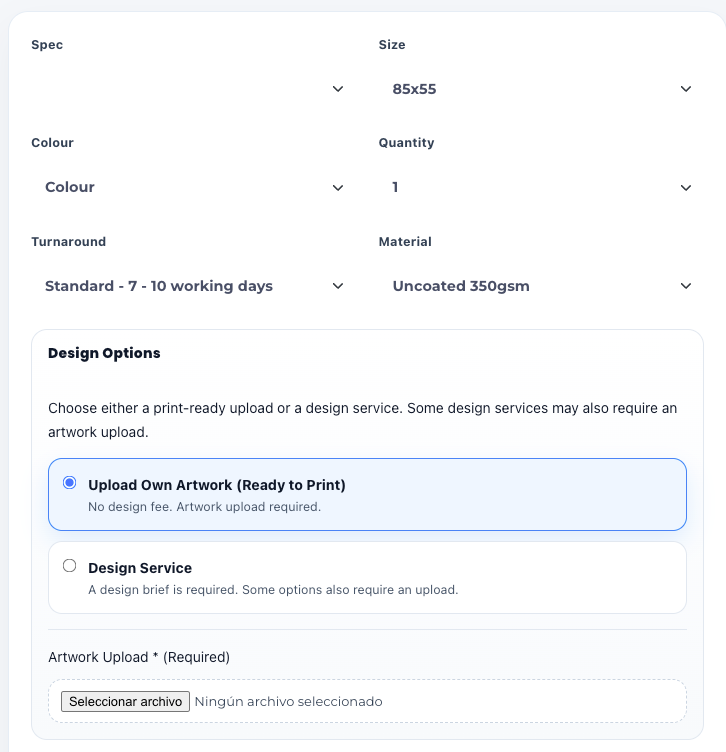 SYSTEM BUILD
Custom WooCommerce system with advanced pricing and workflows
A project that required more than visual design. The solution involved structured product logic, pricing systems and workflow automation.
View case study AUTOMATION
Automation system for handling data and internal processes
A project focused on improving how data flows through the platform, reducing manual work and creating a more consistent system.
View case studyWhy this matters
These projects are not defined by salary level or job title. They are defined by the ability to structure systems, solve problems and deliver something that works long-term.
Beyond “web design”
Most real projects involve a mix of design, development and system thinking — including AI systems and automation where needed.
The best approach is not choosing based on salary, but understanding what the project actually requires.
Before deciding whether to hire, outsource or work with a specialist, the most important step is to define what needs to be built and how complex the system really is.
Define the real scope
Understand whether the project is simple design work or a more complex system involving WordPress, WooCommerce or integrations.
Identify complexity
Consider whether the project involves workflows, automation or structured systems, not just visual layout.
Choose the right approach
Decide between hiring, freelance or working with a specialist depending on the scope and long-term goals.
Build with structure
Focus on creating a system that works reliably, rather than just delivering the visible part of the website.
What businesses often miss
Many decisions are made based on budget alone, without properly defining the problem. This leads to hiring the wrong level of expertise or choosing an approach that does not match the project.
Why structure matters more than cost
A well-structured system — whether that involves AI systems, automation or custom development — often delivers better long-term results than a lower-cost solution that needs to be rebuilt later.
Common questions about web designer salaries in London and hiring decisions.
These are some of the most common questions businesses ask when comparing salary, hiring options and project requirements.
What is the average web designer salary in London?
Salaries typically range from around £22,000 for junior roles to £90,000+ for senior or specialist positions, depending on experience and technical scope.
Does a higher salary mean better results?
Not necessarily. Salary reflects market value, but results depend on whether the person’s skills match the project requirements and complexity.
Is it better to hire in-house or work with a specialist?
It depends on the project. In-house roles suit ongoing work, while specialists are often better for structured builds, ecommerce systems and complex workflows.
Do web designers handle development and ecommerce systems?
Some do, but many projects require a combination of design, development and system thinking, especially when working with WooCommerce or AI systems.
Why do some projects cost more than expected?
Because the visible design is only part of the work. Backend structure, workflows, integrations and performance improvements often require additional expertise.
What is the best way to decide what I need?
The best starting point is to define what the project needs to achieve, then choose the right level of expertise based on that — not just on salary expectations.
If you’re comparing salary, hiring options or project costs, the next step is understanding what your project actually requires.
Most decisions become easier once the scope is clear. Whether that leads to hiring, working with a freelancer or building a structured system depends on the complexity of the work.
This may involve WordPress development, WooCommerce systems or more advanced AI-driven workflows.
Start with the real scope
Define what needs to be built before comparing options.
Choose the right level
Match expertise to the complexity of the project.
Avoid unnecessary complexity
Focus on structure, not just tools or features.
Build something that lasts
A well-structured system reduces future issues and rework.